Alpine Linux 3.23 Launches: Featuring Linux Kernel 6.18 LTS, GNOME 49, and KDE Plasma 6.5!
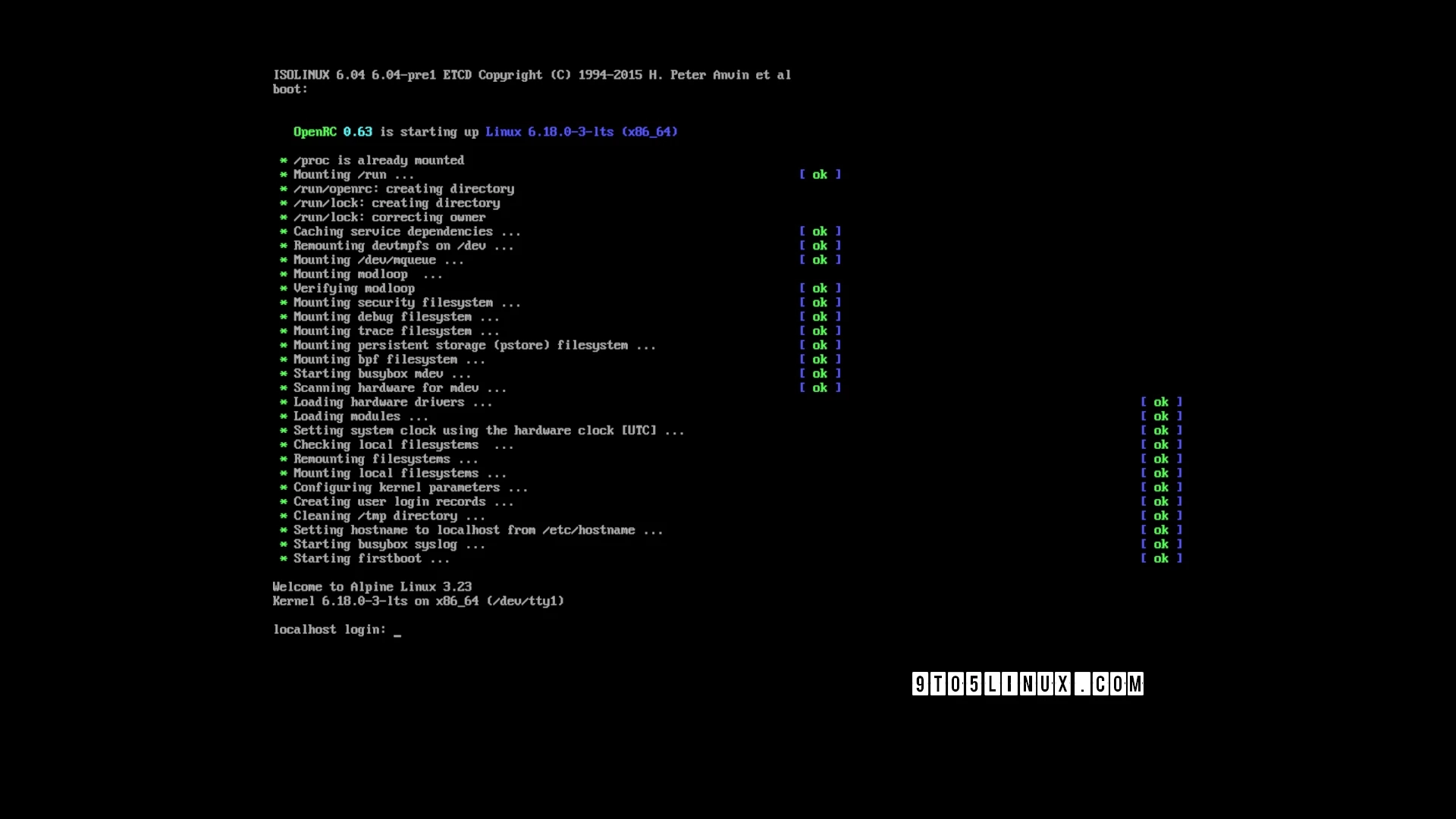
The Alpine Linux team has announced the release of Alpine Linux 3.23, marking a significant update to this independent and security-focused GNU/Linux distribution. This version is powered by the recently introduced Linux kernel 6.18 LTS, which will be supported until December 2027.
Alpine Linux 3.23 introduces a variety of enhancements, including updates to major desktop environments. Users can now enjoy GNOME 49, KDE Plasma 6.5, and LXQt 2.3. Additionally, it includes support for the Sway 1.11 tiling Wayland compositor, which serves as a drop-in replacement for the i3 window manager within X11.
One of the critical changes in this release is the replacement of the linux-edge kernel with the linux-stable version. This new kernel maintains a configuration similar to the long-term support (LTS) version but follows a stable kernel series instead. For users currently running the linux-edge kernel, the package manager (apk) will automatically switch to linux-stable.
In terms of package management, Alpine 3.23 includes an updated version 3 of its apk package manager. The upgrade from version 2 is claimed to be safe and seamless, although users relying on the libapk library may encounter breaking changes.
The system’s underlying components have also been updated, featuring:
- GCC 15
- LLVM 21
- Node.js (LTS) 24.11
- Rust 1.91
- Valkey 9.0
- OpenZFS 2.4.0-rc4
- Docker 29
- .NET 10.0
- Go 1.25
- ISC Kea 3.0
- OpenJDK 25
- Perl 5.42
- PHP 8.5
- PostgreSQL 18
- Qt 6.10
Alpine Linux 3.23 is now available for download from the official website. It can be acquired in several editions, including Standard, Extended, Netboot, Raspberry Pi, Generic ARM, and Mini Root Filesystem versions, covering various architectures such as 64-bit (x86_64), AArch64 (ARM64), ARMv7, and more.
Current users of Alpine Linux can upgrade their systems through the terminal by running apk upgrade --available. For a detailed overview of the changes in version 3.23, users can visit the official wiki page or the release announcement page.
Built on the musl C standard library and utilizing BusyBox, Alpine Linux is designed to be a security-oriented and lightweight distribution without a predetermined graphical environment, allowing users flexibility in customization.