Can Intel’s Core 3 Match the Budget Mini-PC Success of the N100?
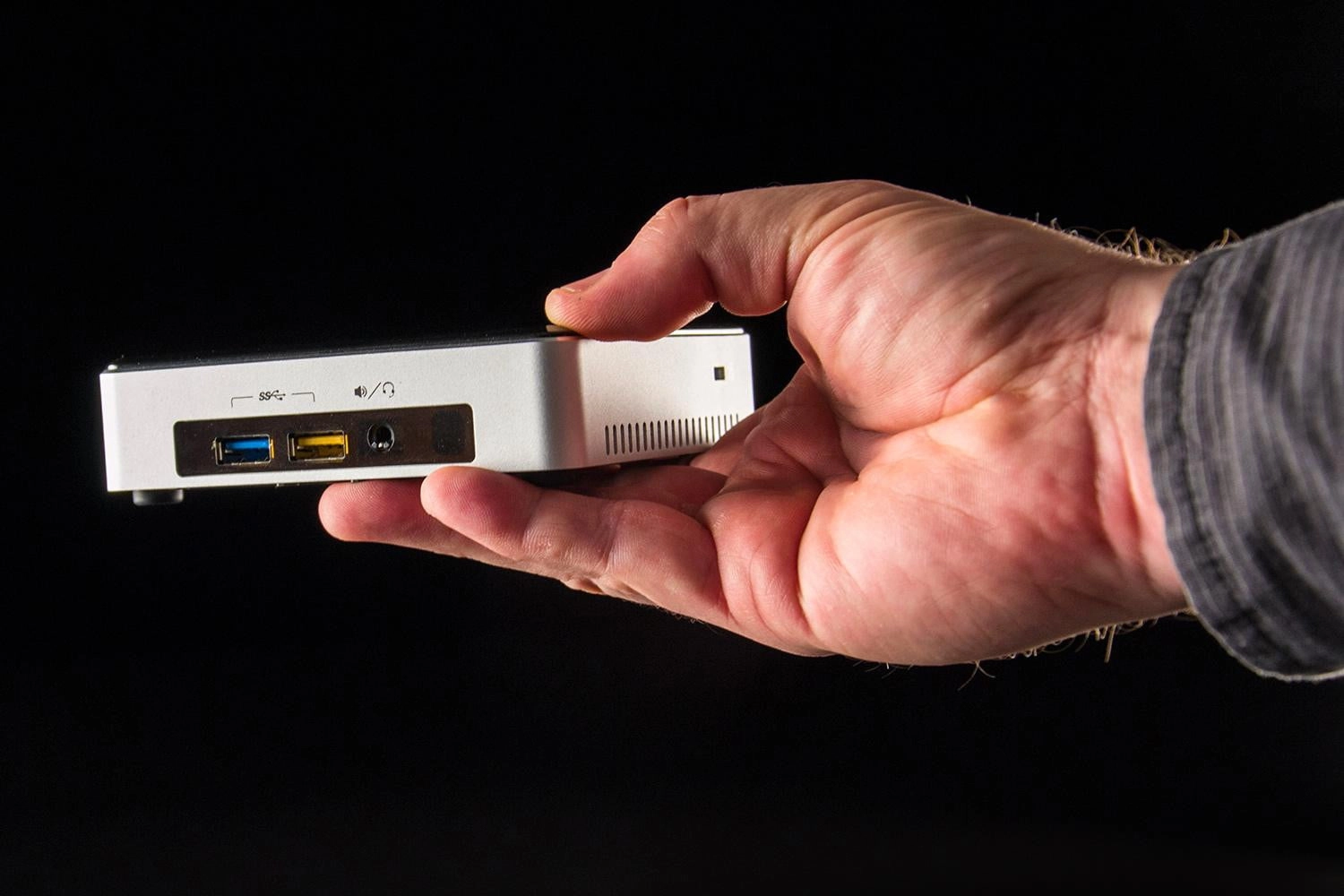
Intel is set to introduce its Core 3 (Wildcat Lake) chips as successors to the budget-friendly Intel N100. However, to achieve similar success in the budget computing market, these new chips must not only outperform the N100 but also match its price point.
During CES, Intel’s primary focus was on its more powerful and expensive ‘Panther Lake’ chips, overshadowing the mention of its budget line. The N100 gained popularity almost by accident, offering decent performance at a low price. The ability to provide economical computing alongside mid-tier options may appear contradictory for Intel.
The Core 3 features a significant upgrade over its predecessor, transitioning from the Alder Lake-N series to a hybrid architecture. It will feature six cores, combining two performance cores with four efficiency cores, allowing for enhanced processing capability. Additionally, the Core 3 will utilize an improved memory standard, moving from single-channel memory to LPDDR5X-6800, enhancing performance, especially for memory-intensive applications.
Intel has also enhanced the AI capabilities with a reported 40 TOPS (Tera Operations Per Second) support for its combined CPU, GPU, and NPU. However, it falls short of Microsoft’s requirement for advanced AI functionalities, which may not concern the average Linux or Windows user.
Pricing will be crucial for the Core 3’s success. The N100 has found a niche within the budget tech community, exemplified by products like the Radxa X4, which operates on an N100 chip and retails for approximately $60. This trend indicates that affordability paired with adequate performance can appeal to both consumers and tech enthusiasts.
As of now, Intel has yet to announce the pricing or a specific release date for the Core 3, indicating that devices featuring Wildcat Lake technology are expected sometime in 2026. The market response will depend heavily on whether Intel can deliver value alongside performance to replicate the popularity of the N100, especially considering the N100’s established success among low-cost computing options.