Tonearm: The New Unofficial TIDAL Client for Linux Enters Beta Phase
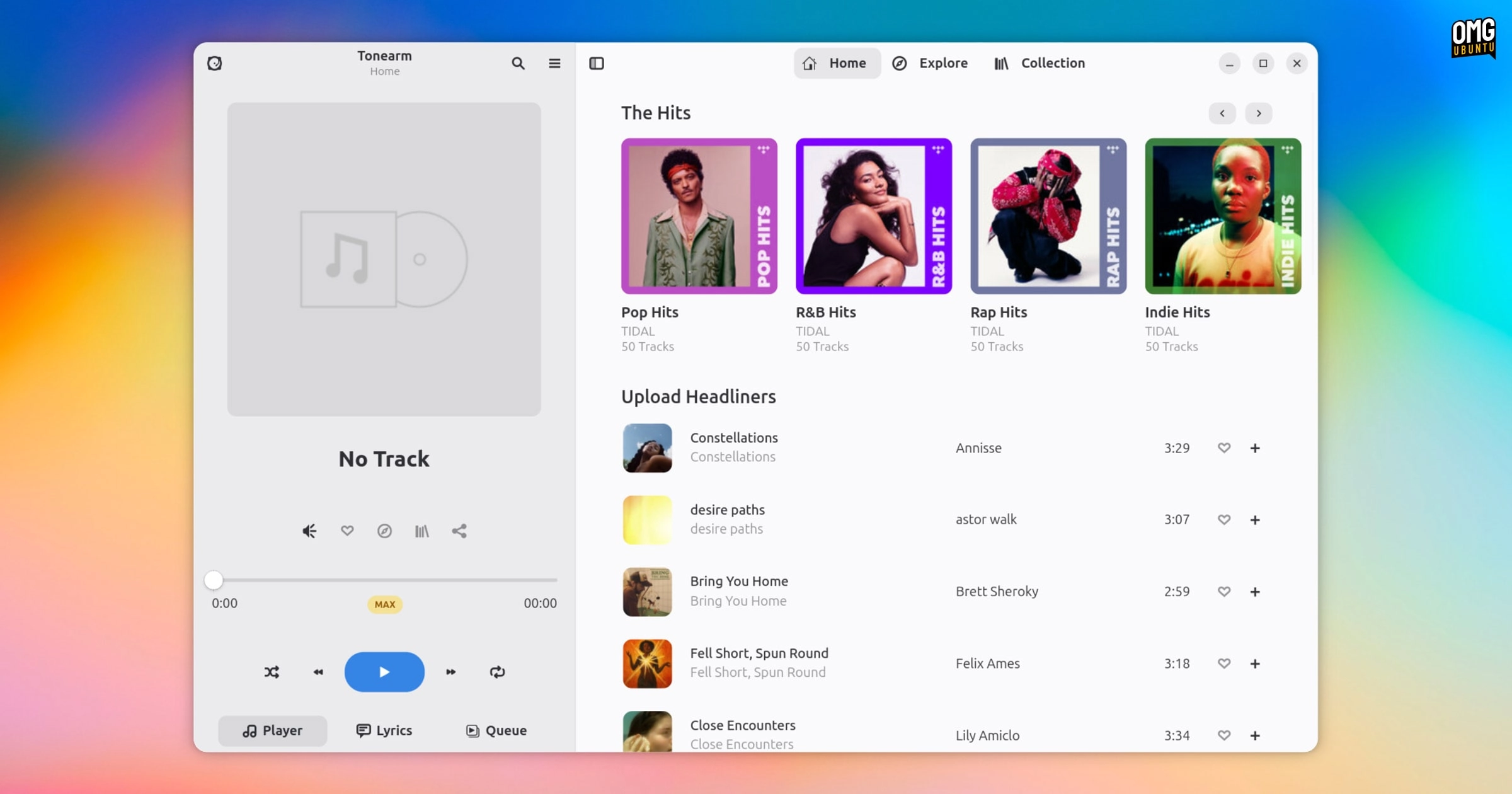
Tonearm, a new unofficial TIDAL client for Linux, has recently entered beta testing, providing Linux users with a much-needed native app experience that TIDAL lacks. This GTK4/libadwaita application allows users to enjoy TIDAL’s features directly on their desktop without relying on the web player.
With TIDAL not offering its own Linux client, users have had to make do with the browser-based interface, which, while functional, misses out on essential desktop integrations like media controls and keyboard shortcuts. Thanks to TIDAL’s robust API, developers can create these unofficial applications, including Tonearm.
Tonearm’s functionality is reminiscent of TIDAL’s official experience. It allows users to play tracks in high quality, explore new music through discovery mixes or browse their existing collection. Users can authenticate easily through TIDAL’s sign-in flow, safeguarding their credentials as there’s no need to enter passwords directly into the app.
Key features of Tonearm include:
- Background playback, allowing music to continue playing when the window is closed.
- MPRIS integration for track notifications and control via media keys.
- Access to TIDAL’s personalized playlists, artist bios, and more.
- Quick link support for TIDAL album URLs.
While the app covers the essentials well, it is still in beta, leading to some quirks and missing features compared to other clients like High Tide. For instance, the current version isn’t responsive, meaning it doesn’t adapt to narrow window widths, which may affect users who prefer multitasking with tiled windows. Furthermore, lyrics support is available, but the display may not always keep highlighted lines in view.
While users can always play tracks at the highest available quality, they currently cannot set a lower limit. Additionally, animated cover art isn’t supported, a minor detail since not all tracks feature it.
Tonearm is free and open-source, and the first beta release can be found on Flathub, making it an exciting option for TIDAL users on Linux who seek a more integrated experience.
For more information about Tonearm’s development, visit its GitHub page.