Bringing Linux Flair to Windows: Microsoft PowerToys Proposes a New UI Revolution
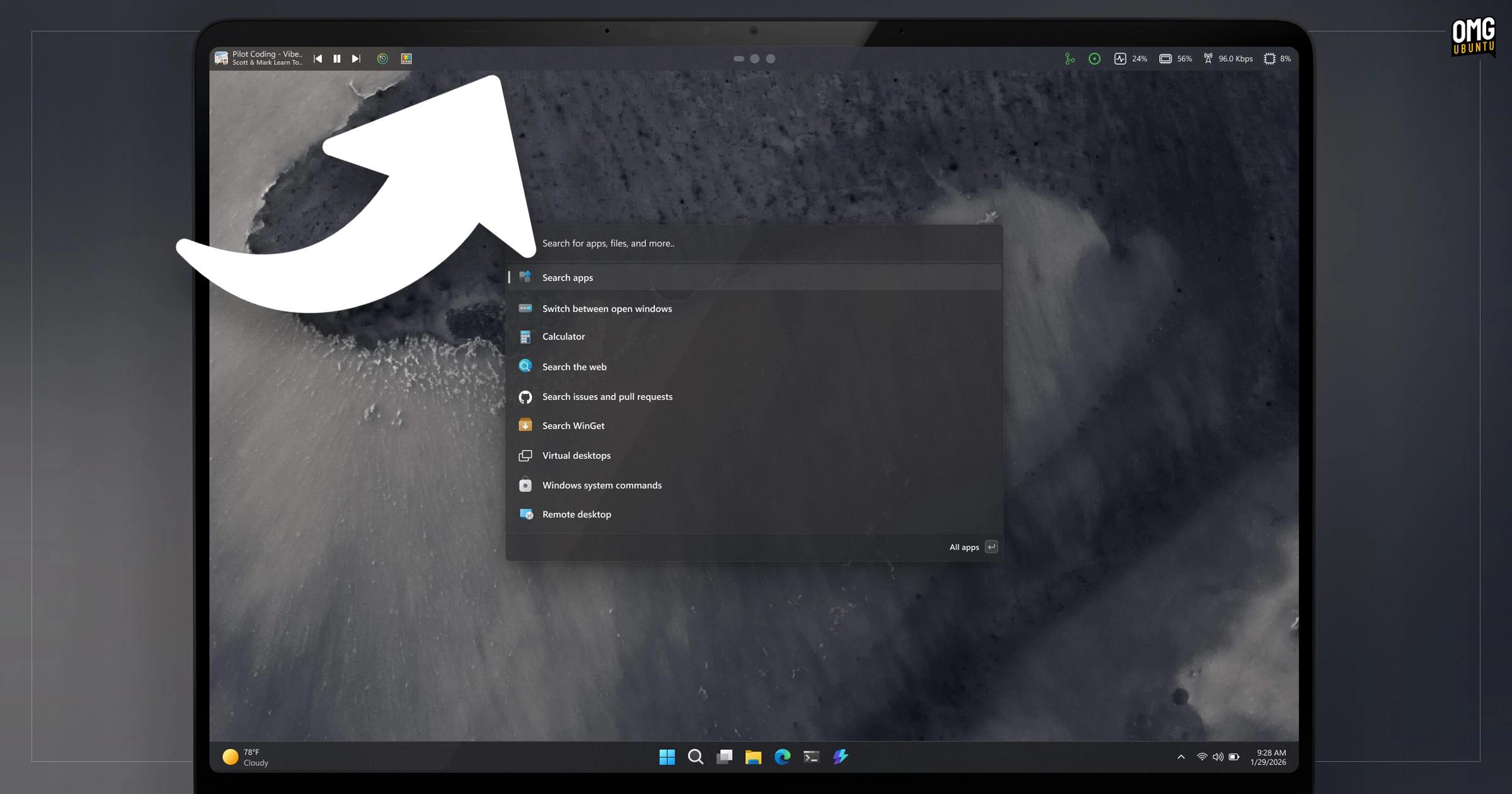
Microsoft is considering a new feature for PowerToys that draws inspiration from Linux’s user interface, specifically a Command Palette Dock designed for Windows users. This proposal allows for a second panel on the desktop, which can include widgets, and offers customizable positioning and theming options—elements commonly found in Linux desktop environments but not inherently available in Windows.
PowerToys is a set of utilities provided by Microsoft for advanced users, offering functionalities like color pickers and file preview tools. The suggestion made by Microsoft designer Niels Laute on GitHub aims to enhance the existing Command Palette feature, allowing users to access extensions in a more visually dynamic way. This would help in placing these extensions in a dedicated dock, potentially optimizing efficiency in accessing system tools.
Laute’s mockups present the Command Palette Dock at the top of the screen, contrasting with the traditional Windows Taskbar located at the bottom. This design recalls the customizable nature of GNOME Shell and KDE Plasma, which utilize adaptable extensions and widgets. The introduction of this dock reflects the rigidity of the current Windows Taskbar and the desire to offer users greater flexibility.
While this feature is still in the proposal stage, its existence underscores a cultural shift as users express a growing desire for more customization in Windows. Many are calling for improvements to the standard Taskbar rather than having to install additional modules to replicate existing functionalities found in Linux.
The ongoing transition from Windows 10, coupled with a rise in interest toward Linux, highlights a significant user base that seeks alternatives. Some users express frustration with Windows 11’s limitations and welcome any advancements that bring additional flexibility.
Ultimately, this proposal serves not only as an appealing addition to PowerToys but also as a reminder of why many users prefer Linux’s out-of-the-box configuration options. Microsoft’s challenge remains to listen to the needs of its users and move towards a more customizable experience in its primary interface rather than relegating enhancements to non-native tools.