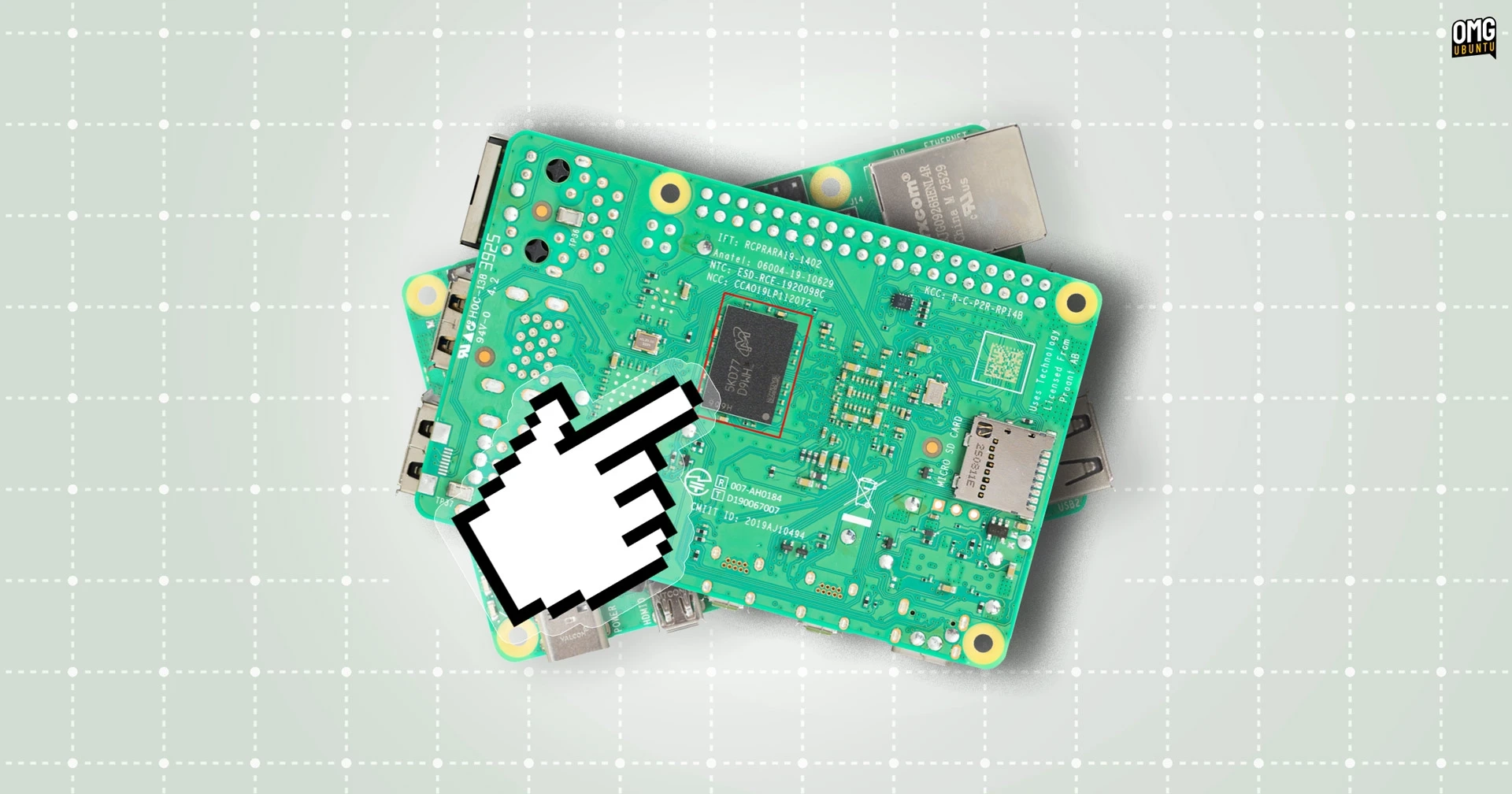
A new version of the Raspberry Pi 4 Model B, designated Rev 1.5, has been introduced with a notable modification: it now features a dual-RAM configuration. This change aims to improve supply chain flexibility and manufacturing efficiency, according to a product change notice from the company.
Previously, the Raspberry Pi 4 models used a single RAM chip soldered on top of the board. The Rev 1.5 variant adds a second LPDDR4 chip on the underside, which allows for a more effective use of components. This dual-RAM configuration is a response to the rising cost and limited availability of RAM, as announced in recent price hikes for the entire Raspberry Pi 4 series due to these market challenges.
The shift to a dual-RAM setup enables Raspberry Pi to combine two smaller, more affordable RAM modules to maintain the same total RAM amount while navigating fluctuating prices. Furthermore, the Rev 1.5 employs a manufacturing technique known as "intrusive reflow soldering," which enhances assembly efficiency by allowing simultaneous soldering of through-hole components and those on the top of the board.
Importantly, this new configuration does not alter performance or compatibility. The Broadcom BCM2711 system-on-chip (SoC) maintains a 32-bit memory interface, ensuring that the memory bandwidth remains unchanged. Existing official accessories, HATs, and add-ons are fully compatible with the new board, although users will need to update the bootloader due to the different memory layout. If an older firmware is attempted on the new board, it can lead to boot failures, indicated by a specific flashing LED error code. This can be rectified simply by flashing the latest Raspberry Pi OS onto an SD card.
For those interested in this new model, it may already be available from approved Raspberry Pi resellers, but those seeking the specific Rev 1.5 board should verify its revision before purchase. Identifying this model is straightforward: a large, square RAM chip on the bottom of the board signifies the Rev 1.5 version. Additionally, the silkscreen text "© 2025" near the CPU also indicates the hardware revision, though this date does not reflect the manufacturing date.
For further details and updates, you can check the Raspberry Pi official site and related news articles.