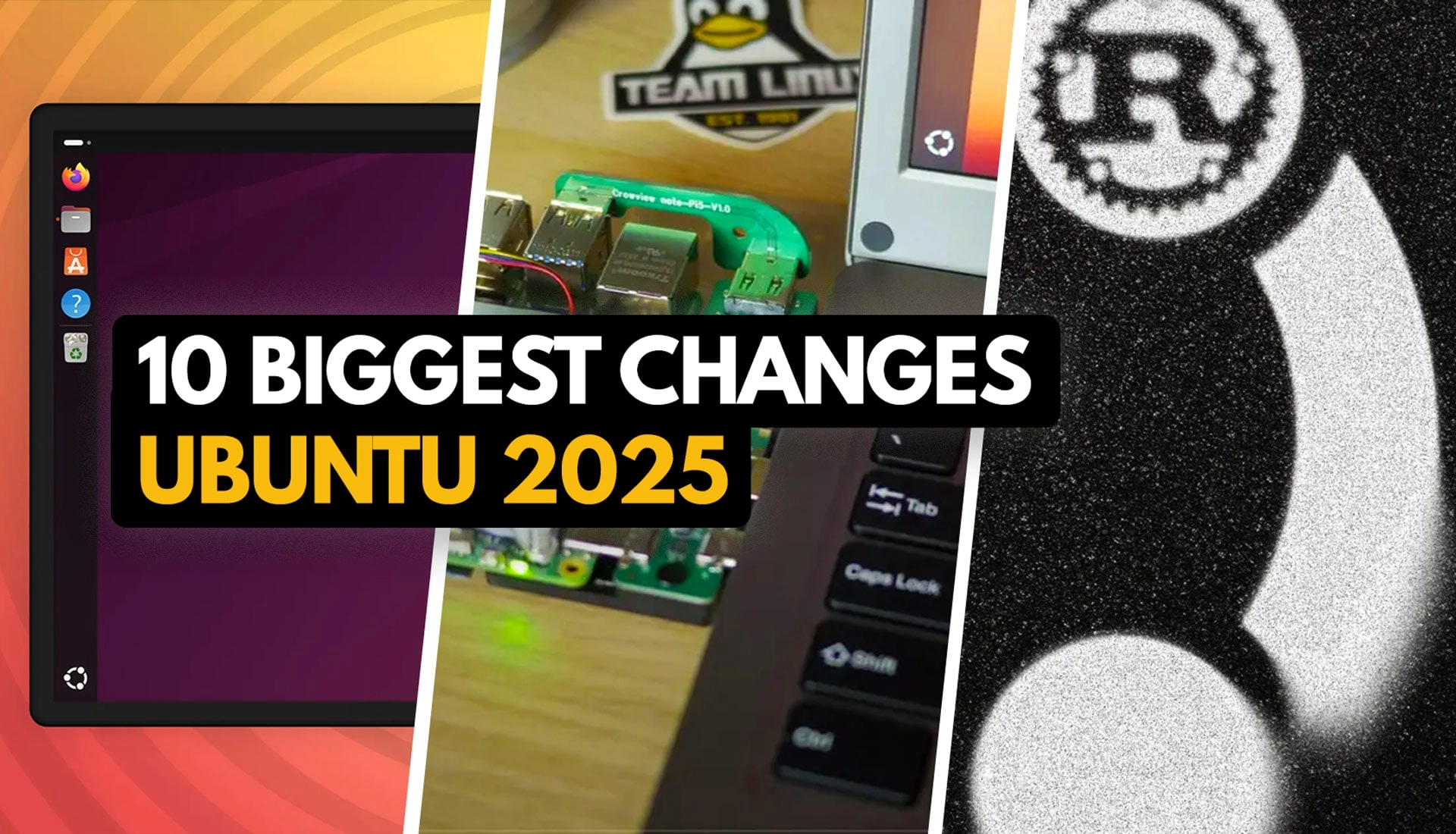
As we transition into 2026, it’s worth reflecting on the significant developments within Ubuntu throughout the past year. The journey included the launch of two key stable releases: Ubuntu 25.04 ‘Plucky Puffin’ and Ubuntu 25.10 ‘Questing Quokka’. Canonical also made strides in enhancing its infrastructure and user experience.
Here’s a summary of the most notable changes:
1. Ubuntu Embraces Rust
In an effort to enhance security, 2025 saw the introduction of Rust-based tools into Ubuntu, including a reimagined version of the sudo command, as well as new command-line utilities like ls, cp, and mv. Despite some initial bugs, this move signifies Ubuntu’s commitment to adopting newer technologies where beneficial.
2. GNOME Updates
Ubuntu benefited from two major GNOME releases, each enhancing the user experience. GNOME 48 introduced features aimed at improving battery lifespan and notification management, while GNOME 49 brought media controls to the lock screen and refined accessibility features.
3. Transition from X11
In a significant paradigm shift, Ubuntu 25.10 removed the X11 session from its installations, moving forward with Wayland as the default display server. This decision aligns with the broader trend within the GNOME community.
4. Monthly Development Snapshots
The introduction of monthly snapshots aimed to streamline the release process. These snapshots utilize an automated system, potentially improving reliability while allowing developers to focus on more critical tasks.
5. Improved Installer
The Ubuntu installer saw upgrades, including support for experimental TPM-backed Full Disk Encryption, as well as enhanced features for better handling of multi-boot setups and Windows BitLocker encrypted disks.
6. RISC-V Support Shift
Canonical’s decision to raise the baseline for RISC-V support to RVA23 limits compatibility with many existing RISC-V devices, but it optimizes performance akin to other CPU architectures.
7. Raspberry Pi Booting Enhancements
Users running Ubuntu 25.10 on Raspberry Pi gained a new A/B booting process that allows seamless recovery from unsuccessful updates.
8. Enhanced Time Security
Ubuntu solidified its time synchronization security by enabling Network Time Security (NTS) by default in 25.10, encrypting time-related traffic to safeguard against potential manipulations.
9. App Refreshes
Significant updates to default applications were made, replacing older software with new, modern alternatives such as Papers for PDFs and Loupe for images, which improve user experience while maintaining access to classic applications.
10. Shift to Dracut
The switch to Dracut for initializing RAM filesystems marks a modernization for Ubuntu that enhances hardware detection during bootup, leading to faster boot times.
10.5. Visual Updates
Community contributions led to redesigns of icons and themes, notably swapping the outdated trash icon for a more recognizable representation.
These changes made Ubuntu’s 2025 a year of marked improvement and innovation, setting a robust foundation as we look towards the upcoming 26.04 LTS release scheduled for April 2026. Users are encouraged to share their highlights and feedback on this transformative year.
For additional information, refer to the relevant articles on Rust, Ubuntu 25.04, and Ubuntu 25.10.