Linux 7.1 Introduces New NTFS Driver, Steam Deck OLED Audio Fix, and More Features
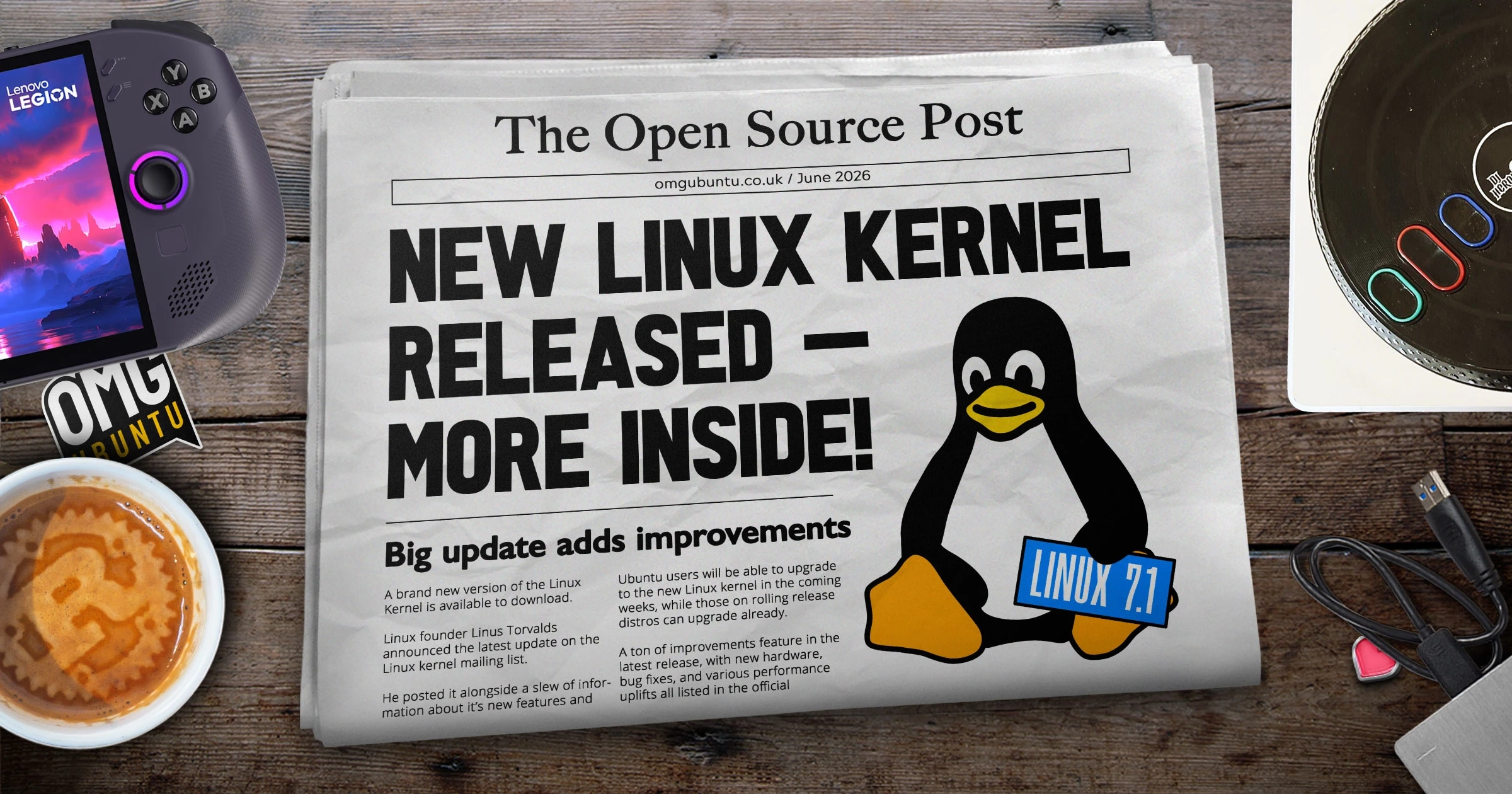
Linus Torvalds has announced the release of Linux 7.1, featuring significant updates including a rewritten NTFS filesystem driver, improved battery reporting for Apple Silicon devices, and a fix for audio issues on the Steam Deck OLED model.
Key Updates in Linux 7.1:
-
New NTFS Driver:The NTFS support has been revamped with a new optional driver created by Namjae Jeon. This driver enhances functionality with write support, iomap-based file operations, and added tools for correcting corrupted drives, although the existing ntfs3 driver remains the default.
-
Enhanced Power Management for AMD CPUs:The
amd-pstatedriver now features Dynamic Energy Performance Preference (Dynamic EPP), automatically adjusting the CPU’s performance profile based on power source. This enhancement improves power efficiency, balancing performance when plugged in versus running on battery. -
Intel FRED Activation:Intel’s Flexible Return and Event Delivery (FRED), previously disabled, is now enabled by default, enhancing CPU transitions among privilege levels. This results in modest performance improvements and is beneficial for resource-intensive tasks.
-
Battery Reporting for Apple Silicon:A new driver called
macsmc-powerhas been introduced, providing detailed battery information for Apple Silicon MacBooks. This development improves compatibility and usability for these devices running Linux. -
Filesystem Improvements:The EXT4 filesystem saw bug fixes, while the exFAT driver received upgrades to reduce fragmentation, enhancing performance for exFAT drives commonly used with Linux. BPF support is now integrated into io_uring, optimizing file I/O operations.
-
Larger Hardware Support Updates:Linux 7.1 provides fixes and improvements for various hardware, including audio support for the Steam Deck OLED. Moreover, support for the Lenovo Yoga series and various laptop models has been updated, facilitating better hardware interaction.
-
Deprecation of Legacy Drivers:Over 140,000 lines of outdated code have been removed, including support for ancient hardware that caused security vulnerabilities. This will reduce the kernel’s complexity and maintenance burden.
-
Phasing Out Intel 486 Support:The support for Intel 486 CPU architectures has begun to be phased out, indicating a shift towards focusing on modern hardware.
Linux 7.1 is ready for use in Ubuntu and provides a substantial security upgrade while improving performance and hardware support. Users are advised to approach this new kernel with caution, especially for production environments.
For more details on the changes, refer to the extensive documentation shared by the developers.