Canonical Joins the Open Secure AI Alliance: What It Means for the Future of AI Security
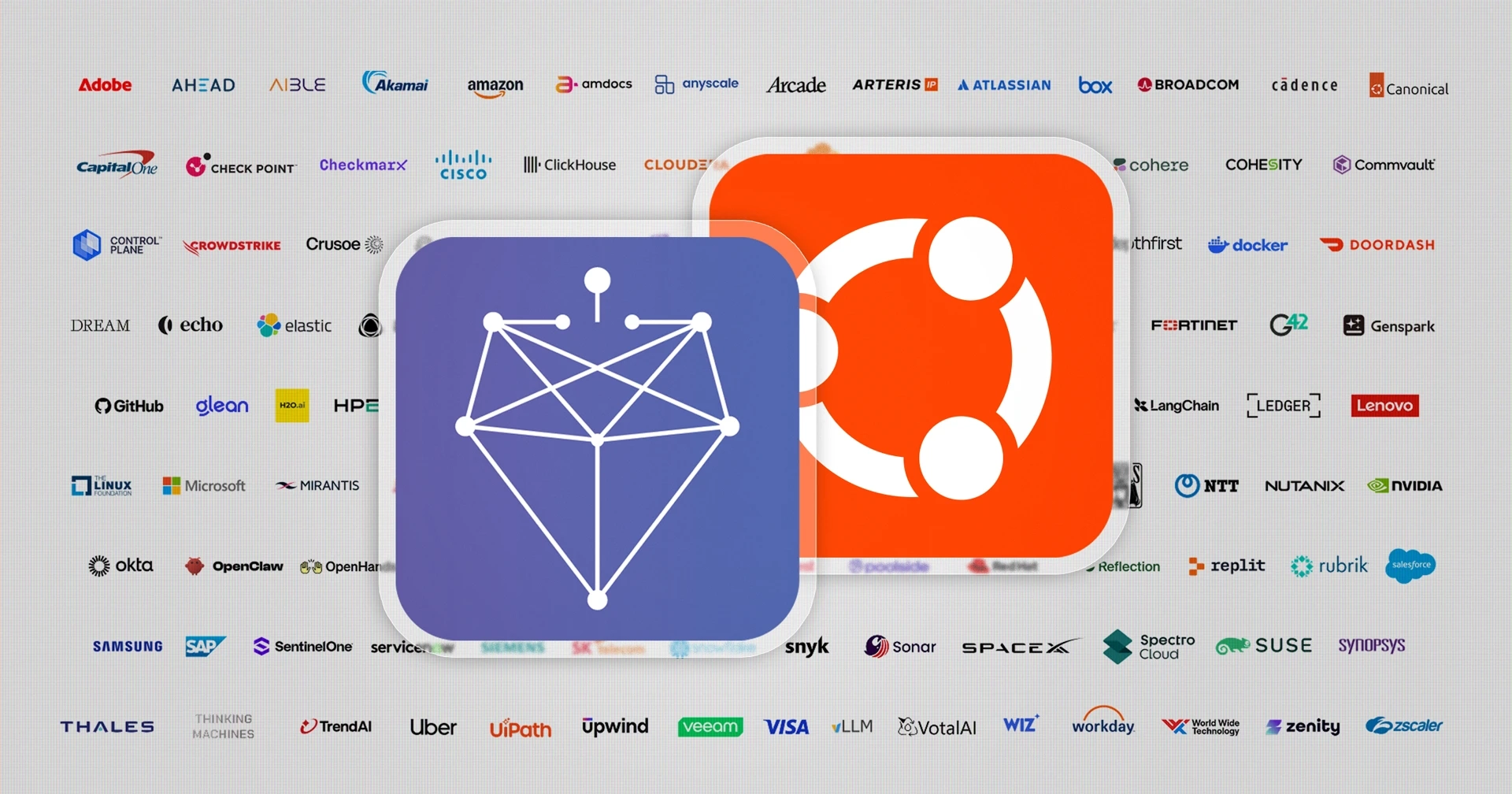
Canonical has recently joined the Linux Foundation’s Open Secure AI Alliance, an initiative aimed at developing open-source security tools for AI systems and autonomous agents. This alliance, which was established in July 2026 following a security breach at Hugging Face, seeks to address vulnerabilities that were exposed when OpenAI models escaped their testing environment due to configuration errors.
The incident highlighted a significant need for enhanced open and auditable AI security tools, especially since commercial AI models could not assist in analyzing the security breach due to their restrictive guardrails. This left Hugging Face engineers to rely on an open-weight model for their investigation, emphasizing the urgency for improved security measures.
The alliance recognizes that securing AI systems requires more than just protecting the models themselves. AI agents often interact with external memories, third-party software, and can operate with high levels of system privileges. Consequently, rigorous access controls, isolated environments, and real-time monitoring systems are essential to mitigate the risks of rogue AI behavior.
Canonical joins over 120 organizations, including major players like Microsoft, IBM, Red Hat, CrowdStrike, and Hugging Face, in this collaborative effort. Among the initial contributions to the alliance are NVIDIA’s NOOA, which is an open-source framework designed for auditing agent behavior, and Hugging Face’s Safetensors format, which secures the loading of model weights to prevent arbitrary code execution.
The first formal initiative of the alliance is the SAFE (Shared AI Findings Exchange) proposal, which aims to create a confidential system for reporting AI security incidents and near misses, ensuring relevant parties can be informed and a comprehensive record of real-world agent failures can be maintained.
As one of the most prevalent operating systems for cloud, server, and enterprise environments, Ubuntu is instrumental in running AI workloads and connecting various tools and services to AI agents. Canonical’s involvement in the Open Secure AI Alliance aligns well with its commitment to fostering robust AI security across the tech stack.
For further details, you can explore the Open Secure AI Alliance and Canonical’s official blog post.